
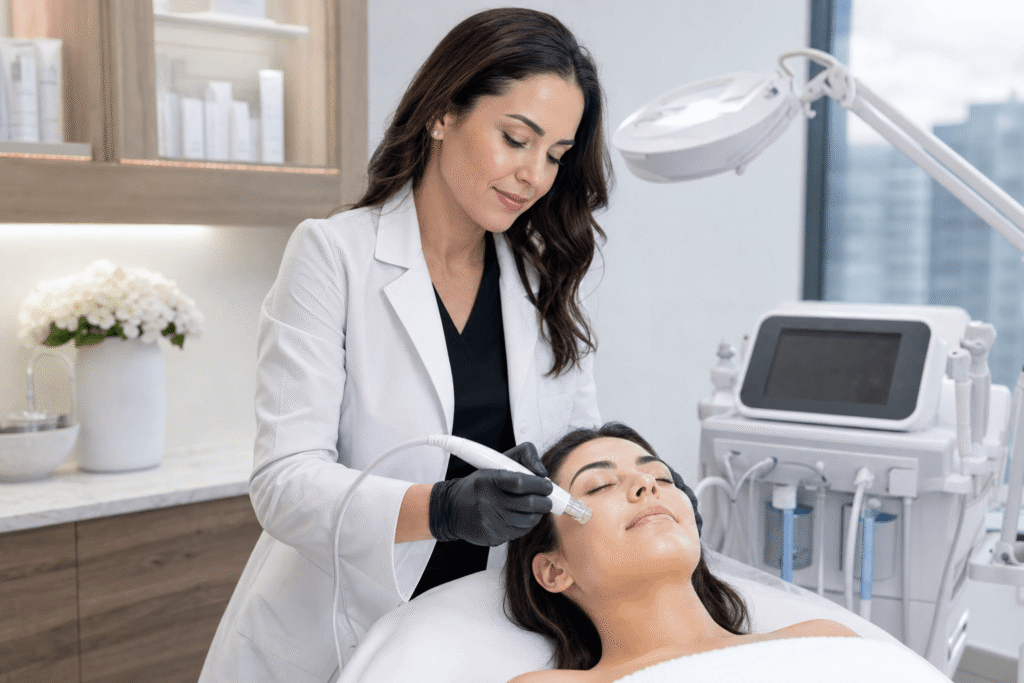
If you’re looking to reduce acne naturally, you’re searching for effective home remedies that don’t rely on harsh prescription medications. Natural acne treatment combines evidence-based topical ingredients, dietary adjustments, and lifestyle modifications to address the root causes of breakouts. This guide covers proven natural remedies for acne-prone skin, realistic timelines for results, and when professional intervention becomes necessary.
You’ll learn which natural ingredients actually have clinical support, how to build a non-comedogenic skincare routine, and what dietary changes can help clear your skin. We’ll also discuss hormonal acne natural treatment approaches and the unique environmental factors in Toronto and North York that affect acne management.
Quick Answer
To reduce acne naturally, use evidence-based topical treatments like tea tree oil and aloe vera, adopt a low-glycemic diet, maintain a consistent non-comedogenic skincare routine, and address lifestyle factors including stress and sleep quality. Most natural remedies require 8-12 weeks to show visible results.
What Causes Acne: Understanding the Science Behind Breakouts
Acne forms when four key factors combine in your skin. Excess sebum production, dead skin cell accumulation, bacterial colonization, and inflammation all contribute to comedones and inflammatory lesions.
Your sebaceous glands produce sebum, an oily substance that normally protects and hydrates skin. When these glands become overactive, they produce too much sebum, which mixes with dead skin cells and clogs hair follicles. This creates the perfect environment for Propionibacterium acnes (P. acnes bacteria) to multiply.
The clogged follicle becomes a comedone. If the pore stays open, you see a blackhead. If it closes over, you get a whitehead. When P. acnes bacteria proliferate inside these blocked pores, your immune system responds with inflammation, creating those painful red bumps, pustules, and cysts.
The Role of Sebaceous Glands and P. Acnes Bacteria
Sebaceous glands are most concentrated on your face, chest, and back. These glands have androgen receptors, making them highly responsive to hormonal fluctuations.
P. acnes bacteria naturally live on everyone’s skin. When they multiply rapidly inside blocked follicles, they trigger an inflammatory cascade. The bacteria produce enzymes that break down sebum into free fatty acids, which irritate follicle walls and attract inflammatory cells.
Hormonal Fluctuations and Adult Acne
Adult acne affects up to 50% of women in their 20s and 30s. Unlike teenage acne, adult hormonal acne clusters along the jawline, chin, and lower cheeks.
Androgens like testosterone stimulate sebaceous glands to produce more sebum. In women, hormonal fluctuations during menstrual cycles, pregnancy, perimenopause, or polycystic ovary syndrome (PCOS) can trigger acne flares. Cortisol, your stress hormone, also stimulates sebum production and inflammation.
Key Takeaways
- Apply evidence-based topical treatments consistently for 8-12 weeks before evaluating effectiveness
- Reduce high-glycemic foods and dairy to support clearer skin from within
- Build a gentle non-comedogenic routine to protect your skin barrier function
- Address stress, sleep, and environmental factors affecting sebum production and inflammation
- Seek professional treatment when natural remedies show no improvement after three months
Evidence-Based Natural Topical Treatments for Acne
Not all natural remedies have equal scientific support. Focus on treatments with demonstrated antimicrobial, anti-inflammatory, or comedolytic properties.
The most effective natural topical treatments work through specific mechanisms. They either kill P. acnes bacteria, reduce inflammation, help unclog pores, or regulate sebum production. Consistency matters more than potency with natural treatments.
Tea Tree Oil and Honey: Antimicrobial Spot Treatments
Tea tree oil contains terpinen-4-ol, a compound with proven antimicrobial activity against P. acnes. Clinical studies show that 5% tea tree oil gel reduces inflammatory acne lesions by 40-50% after 12 weeks of use.
Always dilute tea tree oil before applying it to your skin. Mix 1-2 drops with a carrier oil like jojoba or grapeseed oil. Apply it as a spot treatment to active breakouts rather than all over your face.
Raw honey, particularly Manuka honey, has antimicrobial properties due to its hydrogen peroxide content and low pH. Apply it as a thin mask for 10-15 minutes, then rinse thoroughly with warm water.
Aloe Vera, Green Tea, and Apple Cider Vinegar
Aloe vera contains salicylic acid naturally, along with anti-inflammatory compounds. Studies show that combining aloe vera gel with other acne treatments enhances effectiveness while reducing irritation. Use pure aloe vera gel, not products with added colors or fragrances.
Green tea extract contains epigallocatechin-3-gallate (EGCG), a polyphenol with antioxidant and anti-inflammatory effects. Research indicates that 2-3% green tea extract applied topically reduces sebum production and inflammatory lesions. You can brew green tea, let it cool completely, and apply it as a toner with a cotton pad.
Apple cider vinegar has antimicrobial properties but high acidity that can damage your skin barrier. If you choose to try it, dilute it heavily (one part vinegar to three parts water minimum) and use it only as a brief toner.
When clients in North York use tea tree oil too aggressively during dry winter months, we often see contact dermatitis that looks worse than their original acne. Start with twice-weekly application, and always buffer it with a hydrating serum underneath to protect your barrier.
Dietary Changes and Supplements That Support Clear Skin
The connection between diet and acne is stronger than previously thought. While food doesn’t directly cause acne, certain dietary patterns influence the hormonal and inflammatory processes that contribute to breakouts.
Low Glycemic Foods and Reducing Dairy Intake
High-glycemic foods spike your blood sugar rapidly, triggering insulin release, which stimulates IGF-1 production. Both insulin and IGF-1 increase androgen production and sebaceous gland activity.
Multiple studies link high-glycemic diets with increased acne severity. Low-glycemic diets emphasizing whole grains, legumes, vegetables, and proteins reduce inflammatory acne lesions by 20-50% over 12 weeks in clinical trials.
Dairy consumption, particularly skim milk, correlates with acne in observational studies. Many people see improvement by reducing consumption to 1-2 servings daily or switching to fermented dairy like yogurt and kefir.
Zinc, Probiotics, and the Gut-Skin Connection
Zinc has anti-inflammatory properties, reduces P. acnes growth, and helps regulate sebaceous gland activity. Studies show that oral zinc supplementation (30mg daily of elemental zinc) reduces inflammatory acne lesions. Food sources include oysters, beef, pumpkin seeds, and lentils.
Your gut microbiome influences systemic inflammation and immune function. Probiotic supplementation, particularly Lactobacillus and Bifidobacterium strains, may reduce inflammatory markers and improve acne outcomes.
We notice clients who address both diet and topical care together typically see clearer skin faster than those who only change one factor. The combination reduces inflammation from multiple angles, which is especially important for stubborn hormonal acne common in adult women.
Essential Skincare Routine for Acne-Prone Skin
Building the right skincare routine for acne-prone skin requires balancing active treatment with barrier protection. Your routine should remove excess oil and debris without stripping skin, treat acne with appropriate active ingredients, maintain hydration and barrier function, and protect against environmental damage including UV exposure.
Morning Routine for Acne-Prone Skin
Start with a gentle, pH-balanced cleanser. Avoid harsh sulfate cleansers that strip your skin, triggering reactive sebum production.
Apply a lightweight, non-comedogenic moisturizer even if your skin feels oily. Choose oil-free, gel-based, or hyaluronic acid formulations that hydrate without heaviness.
Sunscreen is non-negotiable. Many natural acne treatments increase sun sensitivity. Use a mineral sunscreen with zinc oxide or titanium dioxide, which also have mild antimicrobial properties, or a chemical sunscreen specifically labeled non-comedogenic.
Evening Routine with Active Treatments
Cleanse again to remove the day’s sebum, pollution, and any makeup. Double cleansing (oil cleanser followed by water-based cleanser) works well for removing sunscreen and excess sebum without harsh scrubbing.
Apply your active natural treatments after cleansing on slightly damp skin for better absorption. Follow with your moisturizer. If you’re using multiple actives, layer from thinnest to thickest consistency.
Avoid over-exfoliating. While removing dead skin cells helps prevent clogged pores, daily exfoliation damages your barrier and increases inflammation. Limit exfoliation to 2-3 times weekly maximum.
Toronto Climate Adjustments for Seasonal Skincare
North York’s climate creates unique challenges for acne management. Winter brings indoor heating that severely dehydrates skin, while summer humidity can increase sebum production and bacterial growth.
During winter months (November through March), adjust your routine toward more barrier-protecting products. The combination of cold outdoor air and heated indoor environments strips moisture from skin. Run a humidifier in your bedroom to maintain 40-50% humidity levels that support healthy barrier function.
Summer humidity (July and August particularly) means you might need lighter formulations and more frequent cleansing. The heat increases sebum production, and humidity prevents sweat evaporation. Antioxidant serums containing green tea extract or vitamin C help neutralize oxidative damage from summer smog and environmental pollution.
Ready to get started?
Book a consultation with Samar to discuss your skin concerns and find the right treatment plan for you.
Lifestyle Factors That Impact Acne: Stress, Sleep, and Environment
Skincare and diet form only part of the acne equation. Lifestyle factors influence the hormonal environment, inflammatory state, and immune function that all affect whether you break out.
Stress Reduction and Cortisol Management
The stress-acne connection is well-documented. When you experience chronic stress, your adrenal glands release cortisol and androgens. Both hormones stimulate sebaceous glands to produce more sebum.
Cortisol also increases systemic inflammation and can impair skin barrier function. This makes existing acne worse and slows healing of active breakouts.
Evidence-based stress reduction techniques include regular exercise, meditation or mindfulness practice, adequate sleep, and social connection. Even 10-15 minutes daily of stress management practice can reduce cortisol levels measurably.
Sleep Quality and Skin Regeneration
Your skin regenerates primarily during sleep. Growth hormone released during deep sleep promotes skin repair and collagen production. Inadequate sleep disrupts this process and increases inflammatory markers throughout your body.
Studies show that poor sleep quality correlates with increased acne severity and slower healing of existing lesions. Sleep deprivation also elevates cortisol, creating the same hormonal cascade that stress triggers.
Aim for 7-9 hours of quality sleep nightly. Establish a consistent sleep schedule, keep your bedroom cool and dark, and consider silk or copper-infused pillowcases that are gentler on acne-prone skin than cotton. Change your pillowcase every 2-3 days to prevent accumulation of sebum, dead skin cells, and bacteria.
Environmental Factors in Toronto and North York
Indoor air quality during heating season becomes extremely dry, with humidity levels often dropping below 30%. This severe dryness compromises skin barrier function, making skin more reactive to everything from skincare products to environmental irritants.
Air quality in Toronto varies seasonally. Summer smog and winter particulate matter from road salt can settle on skin and contribute to pore congestion. More thorough cleansing during these periods helps, but avoid over-stripping your barrier.
When Natural Remedies Work and When to Seek Professional Treatment
Natural treatments work well for mild to moderate acne: occasional breakouts, small inflammatory lesions, and scattered blackheads or whiteheads. They require patience, consistency, and realistic expectations.
Most natural acne remedies need 8-12 weeks of consistent use before you see significant improvement. This timeline reflects how skin cell turnover actually works. Skin cells take approximately 28 days to move from the basal layer to the surface, meaning you need at least two full cycles to evaluate whether a treatment is working.
Signs You Need Professional Acne Treatment
Seek professional help when natural remedies show no improvement after three months of consistent, proper use. If you’re following evidence-based protocols correctly and seeing no reduction in breakouts, you likely need stronger interventions.
Cystic acne, characterized by large, painful, deep lumps under the skin, rarely responds adequately to natural treatments alone. These lesions form deep in the dermis and carry high risk for permanent scarring. Early professional treatment prevents long-term skin damage.
Acne causing scarring or significant post-inflammatory hyperpigmentation requires professional management. Once scarring develops, it’s much harder to treat than active acne. Preventing scars is always preferable to treating them after they form.
Hormonal acne that follows a clear menstrual pattern, appears primarily along the jawline and chin, or develops alongside other symptoms (irregular periods, facial hair growth, thinning scalp hair) may indicate underlying hormonal imbalances needing medical treatment.
Professional Treatment Options at Samar Skin Care Clinic
When natural methods aren’t sufficient, professional treatments target acne through mechanisms that home care can’t replicate. Samar, a Licensed Medical Aesthetician who graduated from CNTAA in 2020, has developed protocols specifically for managing stubborn acne in Toronto’s unique climate.
At Samar Skin Care Clinic in North York, treatment begins with a comprehensive skin assessment. Samar evaluates your acne type, skin condition, barrier function, and lifestyle factors to determine whether your acne is primarily inflammatory, comedonal, or hormonal in nature.
For clients dealing with persistent breakouts despite consistent home care, specialized acne facial treatments combine professional extraction techniques with antimicrobial and anti-inflammatory protocols that complement your natural at-home routine.
More resistant cases may benefit from professional acne laser treatments that target P. acnes bacteria and reduce sebaceous gland activity through controlled thermal injury. These treatments work through different mechanisms than topical care, addressing acne at a deeper level.
The Progressive Treatment Pathway: From Home Remedies to Professional Care
Professional treatment doesn’t mean abandoning natural approaches. The most effective strategy combines appropriate professional interventions with continued attention to diet, stress management, and barrier-supporting skincare.
Start with natural remedies and lifestyle modifications for 8-12 weeks. Track your progress with weekly photos in consistent lighting. If you see improvement but it plateaus before reaching clear skin, add professional treatments while maintaining your foundation of healthy habits.
If natural approaches show no improvement at all after 12 weeks, professional assessment can identify whether you have underlying factors (hormonal imbalances, barrier dysfunction, resistant bacterial strains) that prevent natural treatments from working effectively.
For moderate acne with partial response to natural methods, professional treatments every 3-4 weeks combined with optimized home care typically produce significant clearing within 3-6 months. Severe cystic acne often requires more intensive intervention with treatments every 2-3 weeks for the first 2-3 months, then spacing to monthly maintenance.
Located at 5409 Yonge St, Unit 210, North York, Samar Skin Care Clinic serves clients throughout Toronto who need guidance navigating this treatment pathway. You can reach the clinic at (647) 764-8424 to discuss whether your current natural approach is on track or whether professional intervention would be beneficial.
Common Mistakes to Avoid When Treating Acne Naturally
Natural doesn’t automatically mean gentle or safe. Some common approaches to natural acne treatment actually worsen breakouts or damage your skin barrier, setting back your progress significantly.
Over-Exfoliating and Barrier Damage
This is the single most common mistake. People think that scrubbing harder or exfoliating more frequently will clear their acne faster. Instead, it damages your skin barrier, increases inflammation, and often triggers more breakouts.
Physical exfoliation with rough scrubs, brushes, or washcloths creates micro-tears in skin that increase infection risk and inflammation. Even gentle chemical exfoliation becomes harmful when used daily without allowing barrier recovery time.
Signs of over-exfoliation include increased sensitivity, redness, burning or stinging when applying products, and paradoxically more breakouts despite aggressive treatment. If you’ve over-exfoliated, stop all active treatments temporarily. Focus on gentle cleansing, intensive hydration, and barrier repair with ceramides and niacinamide for 2-4 weeks.
Using Undiluted Essential Oils
While tea tree oil has legitimate antimicrobial properties, applying it undiluted causes more problems than it solves. Undiluted essential oils can cause chemical burns, contact dermatitis, and sensitization (developing an allergy to the substance).
Always dilute essential oils in a carrier oil before skin application. A safe dilution for facial use is 1-2%, which means 1-2 drops of essential oil per teaspoon of carrier oil. This provides antimicrobial benefits without the irritation risk.
Inconsistent Application and Premature Product Switching
Natural treatments work slowly. Switching products every 2-3 weeks because you don’t see immediate results prevents you from ever knowing what actually works for your skin.
Give each new protocol at least 8-10 weeks before evaluating effectiveness. Take photos in consistent lighting every two weeks to track progress objectively. Often improvement is gradual enough that you don’t notice day-to-day, but photos reveal significant change over weeks.
Ignoring the Role of Hydration and Barrier Function
Many people with oily, acne-prone skin avoid moisturizer, thinking it will make them break out more. This is counterproductive. When you strip your skin without replenishing hydration, your sebaceous glands produce more oil to compensate.
A damaged barrier also makes skin more reactive to everything: bacteria, environmental irritants, and even your acne treatments. Choose lightweight, non-comedogenic moisturizers with barrier-supporting ingredients like ceramides, hyaluronic acid, or niacinamide.
Failing to Consider Hormonal Factors
If your acne follows a clear pattern, appears primarily along the jawline and lower face, or developed or worsened in adulthood, hormones likely play a significant role. Natural topical treatments can’t address underlying hormonal imbalances.
Women experiencing hormonal acne alongside other symptoms like irregular periods, significant PMS, or unwanted hair growth should consider consulting a healthcare provider about hormonal evaluation. For women dealing with both hormonal acne and unwanted facial hair, treating both concerns together often produces better outcomes.
Frequently Asked Questions
What causes acne and pimples to form on the skin?
Acne forms when excess sebum production, dead skin cell accumulation, P. acnes bacterial growth, and inflammation combine. Hormones like androgens stimulate sebaceous glands to produce more oil, which mixes with dead cells and creates plugged pores where bacteria multiply, triggering inflamed pimples.
How long does it take for natural acne remedies to show results?
Most natural acne remedies require 8-12 weeks of consistent daily use before producing visible improvement. This reflects your skin’s 28-day cell turnover cycle. You need at least two complete cycles for clearer skin cells to reach the surface and for active breakouts to heal fully.
What foods should I avoid to help reduce acne breakouts?
Research most strongly supports limiting high-glycemic foods (white bread, sugary snacks, processed cereals) and reducing dairy intake, particularly skim milk. Many people see improvement by reducing dairy to 1-2 servings daily and choosing low-glycemic alternatives like whole grains, vegetables, and legumes.
When should I see a dermatologist or aesthetician for acne treatment?
Seek professional treatment if natural remedies show no improvement after three months of proper use, if you develop painful cystic acne, if your acne is causing scarring or significant hyperpigmentation, or if you suspect hormonal factors. Early professional intervention prevents permanent scarring.
Can stress actually cause acne breakouts or make them worse?
Yes, stress directly affects acne. Chronic stress triggers cortisol and androgen release, both stimulating sebaceous glands to produce more sebum. Cortisol also increases systemic inflammation and impairs skin barrier function. Stress management techniques can measurably reduce cortisol levels and improve acne.
Take the Next Step Toward Clear Skin
Natural acne treatment works best when you combine evidence-based topical ingredients with dietary modifications, stress management, and appropriate skincare routines. Most people see improvement within 8-12 weeks, but stubborn acne often requires professional expertise. Samar brings her CNTAA training and 10+ specialized certifications to every consultation, helping clients throughout North York distinguish between acne that will respond to optimized home care and cases requiring professional intervention.
Whether you’re dealing with hormonal breakouts that follow your cycle, persistent inflammation that natural remedies haven’t cleared, or you simply need guidance building an effective routine for Toronto’s challenging climate, schedule a comprehensive skin assessment at Samar Skin Care Clinic. Located at 5409 Yonge St, Unit 210, North York, the clinic offers personalized treatment plans that integrate the best of natural approaches with professional therapies when needed. Call (647) 764-8424 or book online to start your journey toward clearer, healthier skin.
