
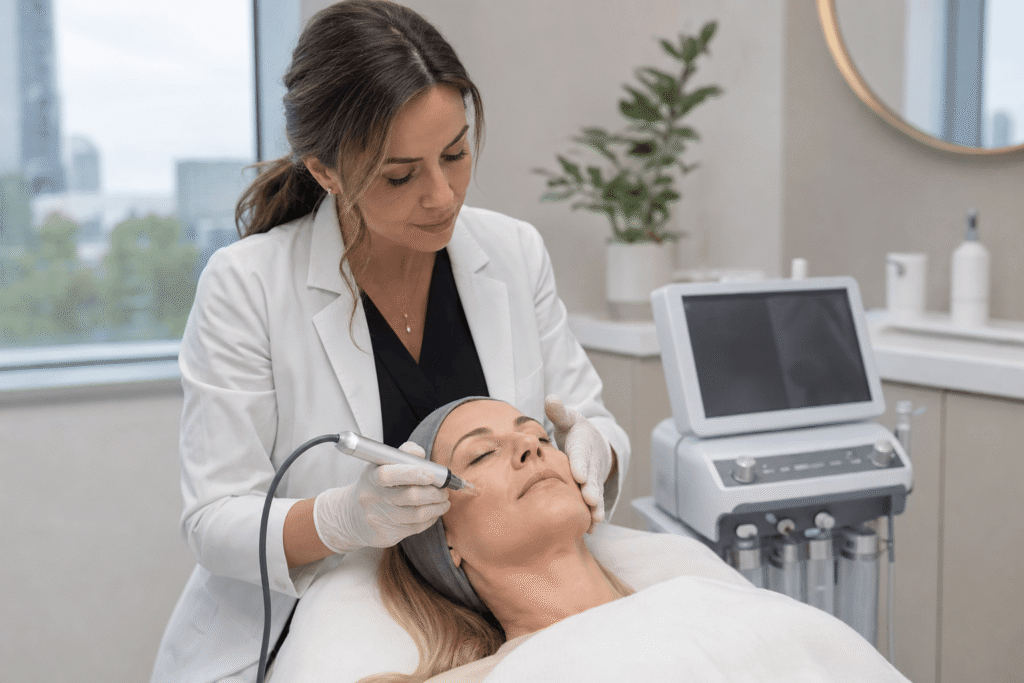
Wrinkles are a natural part of aging, but you don’t have to accept them as inevitable. Modern dermatology and aesthetic medicine offer dozens of proven options for how to reduce skin wrinkles, from prescription retinoids and targeted serums to professional treatments like neuromodulators and laser resurfacing. The challenge isn’t finding treatments that work, it’s choosing the right combination for your specific wrinkle depth, skin type, and age.
This guide walks through everything from daily skincare routines that prevent new wrinkles from forming to advanced combination protocols that address existing lines. You’ll learn which ingredients deliver real results, what to expect from professional treatments, and how to create a personalized approach based on whether you’re dealing with fine surface lines or deep-set folds.
Most importantly, you’ll understand how severity, location, and your age influence which wrinkle reduction treatments will actually work for you, an assessment framework most generic skincare advice completely misses.
Quick Answer
To reduce skin wrinkles effectively, combine daily retinoid use with broad-spectrum sunscreen, followed by professional treatments like neuromodulators for dynamic wrinkles or laser resurfacing for textural concerns. Results typically appear within 8-12 weeks with consistent application.
What Causes Wrinkles to Form on Your Skin
Understanding wrinkle formation helps you target the right treatment. Wrinkles develop through two distinct mechanisms: intrinsic aging and extrinsic damage. Your body produces less collagen and elastin as you age, proteins that keep skin firm and elastic. By your 30s, collagen production drops about 1% per year.
Most visible wrinkles come from photoaging, cumulative UV damage that breaks down existing collagen. Dynamic wrinkles form from repetitive facial expressions. Every time you squint, smile, or raise your eyebrows, you’re folding the skin in the same pattern. Over thousands of repetitions across decades, these temporary folds become permanent etchings. Static wrinkles remain visible even when your face is completely relaxed, caused by structural volume loss and skin thinning.
Key Takeaways
- Start retinoids early to prevent collagen breakdown before deep wrinkles form
- Choose neuromodulators for dynamic wrinkles caused by muscle movement patterns
- Expect 8-12 weeks for topical treatments and 3-6 months for full results
- Combine multiple treatment types for optimal wrinkle reduction on all skin layers
- Assess wrinkle depth first to match treatment intensity to severity level
Assessing Wrinkle Severity and Choosing Appropriate Treatments
Before selecting treatments, you need to assess wrinkle type, depth, and location. This framework determines which intensity level will actually work for your specific concerns.
Wrinkle depth falls into three categories. Grade 1 (fine lines) are visible only with facial movement or upon close inspection. These respond well to topical retinoids and preventive measures. Grade 2 (moderate wrinkles) remain visible at rest but can be stretched smooth with gentle tension. These require professional treatments like chemical peels or light laser resurfacing combined with prescription retinoids. Grade 3 (deep wrinkles) are prominent permanent folds that don’t disappear when you stretch the skin. These need neuromodulators, dermal fillers, or ablative laser resurfacing.
Location matters because skin thickness and muscle activity vary across your face. Crow’s feet and forehead lines are dynamic wrinkles caused by muscle contraction, making them ideal candidates for neuromodulators. Cheek wrinkles and nasolabial folds involve volume loss, responding better to fillers. Upper lip lines combine both muscle activity and sun damage, often requiring combination protocols.
During consultations at Samar Skin Care Clinic, Samar evaluates these factors while you make various expressions, identifying which muscles contribute most to your wrinkle patterns and determining whether you need relaxation, volumizing, or textural improvement.
Daily Skincare Strategies to Reduce Wrinkles at Home
Your daily routine forms the foundation of any anti-aging skincare strategy. Consistency matters more than expensive products. Three ingredients have decades of research backing their effectiveness: retinoids, antioxidants, and broad-spectrum sunscreen.
Retinoids and Retinol: The Gold Standard Ingredient
Retinoids remain the most studied and effective topical ingredient for reducing fine lines and wrinkles. These vitamin A derivatives increase cell turnover, stimulate collagen production, and fade pigmentation. Prescription tretinoin delivers the strongest results, clinical studies show a 0.05% concentration reduces wrinkle depth by up to 35% after 24 weeks of nightly use.
Over-the-counter retinol works through the same mechanism but requires conversion steps in your skin, making it less potent but also less irritating. Start with a 0.25% or 0.5% retinol three nights per week, then gradually increase frequency as your skin builds tolerance. Apply retinoids to completely dry skin 20 minutes after cleansing to reduce irritation. Always use sunscreen the next morning, retinoids increase photosensitivity temporarily.
Essential Moisturizing and Hydration for Plump Skin
Dehydrated skin shows every fine line. Proper moisturization temporarily plumps the skin’s surface, making wrinkles appear less pronounced. Hyaluronic acid stands out as the most effective humectant, each molecule holds up to 1,000 times its weight in water.
Layer a hyaluronic acid serum on damp skin, then seal it with a moisturizer containing occlusives like ceramides or squalane. Morning hydration also creates a smooth canvas for sunscreen application, crucial since UV protection prevents 80% of visible facial aging.
When clients start retinoids, I recommend applying a thin layer of moisturizer first, then the retinoid on top for the first two weeks. This buffering technique reduces irritation without significantly affecting absorption, helping North York clients stick with treatment through Canadian winters when skin is already stressed.
Professional Treatment Options for Wrinkle Reduction
While at-home skincare prevents further damage and improves texture, professional treatments deliver more dramatic wrinkle reduction by targeting deeper skin layers. The right choice depends on wrinkle type, location, and depth.
Injectable Treatments: Botox and Neuromodulators
Neuromodulators like Botox, Dysport, and Xeomin work by temporarily relaxing the muscles that create dynamic wrinkles. When you can’t contract the muscle as strongly, the overlying skin stops folding in that pattern, allowing existing wrinkles to smooth out while preventing new ones from deepening.
Botox injections for wrinkle reduction are particularly effective for horizontal forehead lines, crow’s feet around the eyes, and the vertical frown lines between your brows. Results appear within 3-7 days and last approximately three to four months. With repeated treatments, many people notice their wrinkles don’t return as deeply.
At Samar Skin Care Clinic in North York, Samar tailors injection patterns based on your facial anatomy and movement patterns, not a one-size-fits-all template. During your consultation at 5409 Yonge St, she’ll ask you to make various expressions to identify which muscles contribute most to your wrinkle concerns.
Laser Resurfacing and Chemical Peels
Laser skin revitalization treatments work by creating controlled thermal injury, your skin responds by producing new, organized collagen fibers that fill in wrinkled areas and improve overall texture. Fractional CO2 lasers deliver the most aggressive results for deep wrinkles, expect 7-14 days of downtime with significant redness and peeling, but wrinkle depth can improve by 40-60% after a single treatment.
Non-ablative lasers heat the dermis without removing surface skin, resulting in minimal downtime but more subtle results. Most people need 3-5 sessions spaced four weeks apart. Chemical peels use acids to remove damaged outer layers. Medium-depth TCA peels can reduce fine lines around the mouth and eyes, though they’re less effective than lasers for deeper wrinkles.
Ready to get started?
Book a consultation with Samar to discuss your skin concerns and find the right treatment plan for you.
Combination Treatment Protocols for Optimal Results
Single treatments address one aspect of wrinkle formation. Combination protocols target multiple mechanisms simultaneously, delivering superior results compared to any treatment alone. Combining modalities treats different wrinkle layers and causes for comprehensive rejuvenation.
A common protocol pairs neuromodulators with volumizing dermal filler treatments. The neuromodulator relaxes the muscle creating the wrinkle, while filler replaces lost volume underneath. This works exceptionally well for nasolabial folds and marionette lines where both muscle activity and volume loss contribute to wrinkle depth.
Retinoids combined with professional treatments amplify results beyond either approach alone. Daily tretinoin prevents new collagen breakdown while periodic laser resurfacing actively rebuilds existing damaged collagen. Start retinoids 4-6 weeks before laser treatment to improve skin turnover, then resume two weeks post-treatment to maintain results.
At Samar Skin Care Clinic, clients often start with Profhilo bio-remodeling treatment to improve overall skin quality and hydration, then add targeted neuromodulators for expression lines 2-3 weeks later. Profhilo’s hyaluronic acid spreads through tissue planes, improving skin laxity and creating a better foundation before addressing specific wrinkles with other modalities.
For clients combining treatments, I schedule lasers and Botox at least two weeks apart. This prevents the heat from lasers from potentially degrading the neuromodulator and ensures each treatment performs optimally. Timing these protocols properly is something I emphasize during consultations at our North York location.
Age-Specific Wrinkle Prevention and Treatment Strategies
Your approach to wrinkles should evolve with your skin. What works in your 20s won’t address the concerns you’ll face in your 50s. Matching prevention and treatment intensity to your decade maximizes results and prevents wasted effort on inappropriate interventions.
Prevention in Your 20s and 30s
In your 20s and early 30s, prevention delivers the highest return on investment. Sunscreen is non-negotiable, UV exposure accounts for up to 80% of visible facial aging. A broad-spectrum SPF 30 or higher every day prevents the collagen breakdown that leads to wrinkles decades later. Add a retinol serum three nights per week to maintain healthy cell turnover. Antioxidant serums with vitamin C, E, or ferulic acid neutralize free radicals before they damage collagen. Focus on building protective habits rather than corrective treatments. This decade is about establishing the foundation that prevents severe wrinkles from developing later.
Early Intervention in Your 30s and 40s
Your late 30s and 40s mark the transition from prevention to correction. This is when expression lines start remaining visible even at rest. Prescription tretinoin becomes more important than over-the-counter retinol for its stronger collagen-stimulating effects. Many people in this age range benefit from starting neuromodulator treatments before wrinkles become deeply etched. Preventive Botox in your late 30s keeps dynamic wrinkles from becoming permanent static lines. Add periodic chemical peels or light laser treatments to address early sun damage and textural concerns. This decade requires both maintenance of healthy habits and introduction of corrective interventions.
Comprehensive Treatment in Your 50s and Beyond
In your 50s and beyond, comprehensive protocols work best. Wrinkles at this stage involve not just surface texture but volume loss, skin thinning, and decreased elasticity. Combining treatments that address each component delivers better results than aggressive treatment of just one aspect. Neuromodulators relax expression lines, fillers restore lost volume, and laser resurfacing rebuilds collagen. Bio-remodeling treatments like Profhilo improve overall skin quality as a foundation for other interventions. Maintenance becomes ongoing rather than occasional, with treatments scheduled every 3-6 months to sustain improvements. This decade benefits from layering multiple treatment modalities to address the full spectrum of aging changes.
Lifestyle Factors That Accelerate or Prevent Wrinkle Formation
Your daily habits influence wrinkle development as much as the products you apply. Certain lifestyle factors accelerate aging while others protect your skin’s structural integrity. Understanding these variables helps you make choices that support your treatment outcomes.
Sun Exposure and UV Protection
Sun exposure remains the single largest modifiable risk factor for wrinkles. UV radiation breaks down collagen and elastin while triggering abnormal elastin accumulation that causes wrinkled, leathery texture. Wearing broad-spectrum SPF 30 or higher daily reduces your risk of developing new wrinkles dramatically. Reapply every two hours during extended sun exposure. Seek shade between 10am and 4pm when UV rays are strongest. Physical barriers like wide-brimmed hats provide additional protection beyond sunscreen alone.
Smoking and Vascular Health
Smoking constricts blood vessels in the skin, reducing oxygen and nutrient delivery to cells. Each cigarette decreases blood flow for up to 90 minutes. Smoking also damages elastin and collagen directly through oxidative stress and releases enzymes that break down structural proteins. Smokers develop wrinkles 5-10 years earlier than non-smokers, particularly around the mouth from repetitive pursing motions. Quitting smoking at any age improves skin health, though existing damage doesn’t fully reverse.
Sleep Position and Mechanical Stress
Sleep position affects wrinkle formation, particularly on the side of your face that presses into the pillow. Compression wrinkles develop from repeated mechanical stress in the same pattern night after night. Sleeping on your back eliminates compression wrinkles entirely. If you can’t change position, silk or satin pillowcases create less friction than cotton, reducing the mechanical forces that contribute to wrinkle formation.
Diet and Glycation
Diet impacts skin aging through several mechanisms. High-glycemic foods spike blood sugar, triggering glycation reactions where sugar molecules bind to collagen and make it stiff and brittle. Glycated collagen can’t be repaired by your body and must be replaced through normal turnover. Diets rich in antioxidants from colorful vegetables and fruits provide compounds that neutralize free radicals before they damage skin structures. Omega-3 fatty acids from fish support cell membrane integrity and reduce inflammation that accelerates aging.
Timeline and Expectations: How Long Before You See Results
Understanding realistic timelines helps you stick with treatments long enough to see results. Different interventions work at different speeds based on their mechanism of action and depth of penetration. Setting accurate expectations prevents premature disappointment and treatment abandonment.
| Treatment Type | Initial Results | Peak Results | Treatment Duration |
|---|---|---|---|
| Topical retinoids | 8-12 weeks | 6-12 months | Continued nightly use |
| Botox/Neuromodulators | 3-7 days | 2 weeks | Repeat every 3-4 months |
| Dermal fillers | Immediate | 2 weeks | 6-18 months per treatment |
| Laser resurfacing (ablative) | 2-3 weeks | 3-6 months | Annual maintenance |
| Chemical peels (medium) | 1-2 weeks | 1-3 months | Quarterly to semi-annual |
| Microneedling with RF | 4-6 weeks | 3-6 months | 3-5 sessions, annual boosters |
Topical Treatment Timelines
Retinoids require patience. Most people notice smoother texture around the 8-week mark, but collagen remodeling continues for months. Maximum improvement typically occurs after 6-12 months of consistent use. Stopping retinoids means losing the cumulative benefits, so consider them a long-term commitment rather than a temporary treatment. Your skin doesn’t immediately return to its pre-treatment state, but ongoing use maintains and builds upon improvements.
Injectable Treatment Recovery and Results
Injectables provide the fastest visible results. Neuromodulators like Botox begin working within 3-7 days as the neurotoxin blocks muscle contraction signals, with full relaxation by two weeks. Downtime is minimal, most people return to normal activities immediately with only minor injection site redness lasting a few hours. Dermal fillers show immediate volumizing effects, though final results appear after swelling resolves in 1-2 weeks. You’ll see the shape change instantly but the natural settling takes days. Bruising occurs in 20-30% of filler treatments and typically resolves within 5-7 days.
Energy-Based Treatment Recovery Timelines
Laser treatments have the longest recovery periods but deliver dramatic improvements. Ablative CO2 lasers require 7-14 days of downtime with significant peeling, redness, and social downtime. Non-ablative lasers cause 1-3 days of mild redness. Chemical peels range from no downtime for superficial peels to 7-10 days for medium-depth TCA peels. During recovery, skin appears red, tight, and flaky before revealing smoother texture underneath. The real improvement comes from new collagen synthesis over the following 3-6 months as your skin rebuilds its structural foundation.
Setting Realistic Expectations
Professional treatments can reduce wrinkle depth by 30-60% depending on severity and treatment aggressiveness, but they rarely eliminate deep wrinkles completely. The goal is significant improvement and prevention of further worsening, not erasing decades of sun damage in one session. Patients who understand this timeline stick with their protocols and achieve better long-term results than those expecting immediate transformation.
Frequently Asked Questions
What is the most effective treatment for reducing wrinkles?
The most effective approach combines multiple treatments targeting different wrinkle mechanisms. For dynamic wrinkles, neuromodulators like Botox reduce depth by 40-60% within two weeks. For static wrinkles, fractional CO2 laser resurfacing provides the most dramatic improvement. Daily prescription tretinoin forms the foundation, stimulating collagen production and preventing new wrinkles. Most people achieve optimal results by combining a daily retinoid with periodic professional treatments customized to their specific wrinkle type and severity.
Can wrinkles be reversed or only prevented from worsening?
Both reversal and prevention are possible, but the degree depends on wrinkle depth. Fine lines can be significantly reduced or eliminated through retinoids, laser resurfacing, and sun protection. Deep-set wrinkles can be improved by 30-50% through ablative lasers and neuromodulators, but rarely disappear completely. The skin can rebuild collagen at any age, making meaningful reversal possible. Prevention remains more effective than correction, starting sun protection and retinoids in your 20s prevents severe wrinkles later.
How long does it take to see results from wrinkle treatments?
Timeline varies by treatment type. Neuromodulators show initial smoothing within 3-7 days and reach full effect at two weeks. Dermal fillers provide immediate volume, with final results after swelling subsides in 1-2 weeks. Topical retinoids require 8-12 weeks to show smoother texture, with continued improvement for 6-12 months. Laser treatments trigger gradual collagen remodeling over 3-6 months post-treatment. Combination protocols show some immediate changes from injectables while textural improvements develop over several months.
Does hyaluronic acid actually reduce the appearance of wrinkles?
Hyaluronic acid works differently by delivery method. Topical serums draw water into the skin’s surface, temporarily plumping fine lines while the product is on your skin. Injectable hyaluronic acid fillers provide substantial wrinkle reduction by physically filling deep folds and restoring volume. These medical-grade fillers reduce wrinkle depth by 50-70% and last 6-18 months. Profhilo, a unique bio-remodeling treatment, spreads through tissue to improve skin quality and hydration, offering benefits between topical and traditional filler approaches.
Do over-the-counter wrinkle creams really work compared to prescription options?
Over-the-counter products can improve mild wrinkles and prevent new ones, but prescription options deliver significantly stronger results. Retinol requires conversion to retinoic acid in your skin, making it less potent than prescription tretinoin. Studies show 0.05% tretinoin reduces wrinkle depth by up to 35% after 24 weeks, while comparable retinol achieves roughly 10-15% improvement. For established moderate to deep wrinkles, prescription tretinoin combined with professional treatments provides far more dramatic correction than over-the-counter options alone.
Taking the Next Step Toward Smoother Skin
Reducing wrinkles effectively requires matching treatment intensity to your specific wrinkle type, depth, and skin characteristics. The most successful outcomes come from combining consistent at-home skincare with strategically timed professional interventions, an approach that addresses both prevention and correction simultaneously. Samar brings over 10 certifications and specialized training from CNTAA to every consultation, assessing not just what treatments exist but which specific combination will work best for your individual aging patterns and aesthetic goals.
Whether you’re starting prevention in your 30s or seeking comprehensive wrinkle reduction in your 50s, Samar Skin Care Clinic in North York offers personalized treatment protocols that evolve with your skin’s changing needs. Ready to develop your customized wrinkle reduction plan? Book a consultation at our North York location on Yonge Street, or call (647) 764-8424 to discuss which combination of treatments will deliver the results you’re looking for.
