
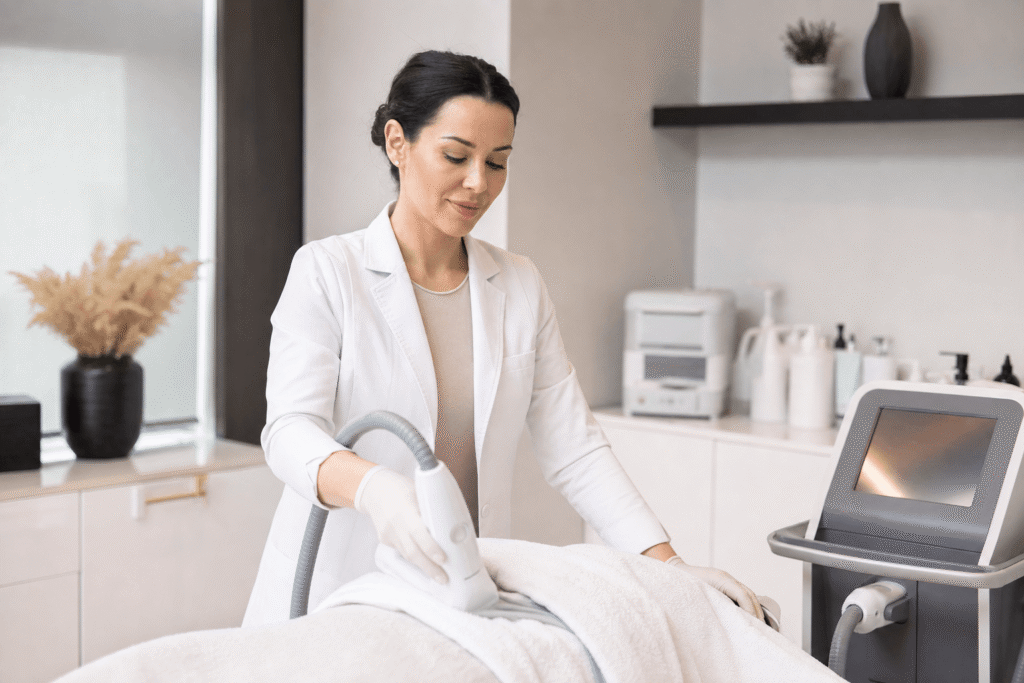
If you’re researching whether body contouring actually delivers on its promises, you’re asking the right question. Body contouring treatments have exploded in popularity over the past decade, with both surgical and non-surgical options now available to target stubborn fat deposits that resist diet and exercise. But does body contouring work in the real world, or is it just marketing hype?
The short answer is yes, body contouring works for the right candidates, but effectiveness varies significantly based on the treatment method, target area, patient expectations, and the skill of the provider performing the procedure. This article breaks down the clinical evidence for body contouring effectiveness, explains how different treatments actually work, compares surgical and non-surgical options with realistic timelines, and helps you determine if you’re a good candidate.
By the end, you’ll understand exactly what body contouring can and can’t do, which treatment types deliver the best results for specific goals, and how to evaluate providers in North York and the Greater Toronto Area.
Quick Answer
Body contouring works effectively for reducing localized fat deposits in targeted areas, typically achieving 20-25% fat reduction per treatment session for non-surgical methods and more dramatic results with surgical options. Results are permanent if you maintain stable body weight, but it’s not a weight loss solution.
Does Body Contouring Actually Work? The Evidence-Based Answer
Body contouring treatments do work, but we need to be specific about what “work” actually means in this context. Clinical studies consistently show measurable fat reduction in treated areas, but the degree of effectiveness depends entirely on the method used, the treatment area, and realistic expectations.
Non-surgical body contouring methods like cryolipolysis (fat freezing) typically reduce subcutaneous fat by 20-25% in treated areas per session, according to peer-reviewed research published in aesthetic medicine journals. Radiofrequency and laser lipolysis treatments show similar ranges, though results vary based on device parameters and treatment protocols.
Surgical body contouring delivers more significant results. Liposuction can remove several liters of fat in a single procedure, while body lift surgeries address both excess fat and loose skin simultaneously. The trade-off is increased cost, longer recovery periods, and surgical risks that don’t apply to non-invasive treatments.
What makes body contouring work at all? The mechanisms vary by treatment type, but all effective methods either destroy fat cells permanently or physically remove them. Once destroyed or removed, those specific fat cells don’t regenerate. However, remaining fat cells can still expand if you gain weight after treatment, which is why maintaining results requires stable body weight.
At Samar Skin Care Clinic in North York, clients typically see the most satisfaction when they understand body contouring as a sculpting tool, not a weight loss method. Samar evaluates each client’s body composition, treatment goals, and lifestyle factors during consultation to determine if body contouring will deliver the results they’re looking for.
Key Takeaways
- Expect 20-25% fat reduction per non-surgical session in treated areas only.
- Choose surgical options for more dramatic results with longer recovery time.
- Maintain stable weight after treatment or remaining fat cells will expand.
- Verify provider credentials and device approvals before committing to treatment.
- Budget for multiple sessions with non-surgical methods to achieve desired results.
- Avoid body contouring if you need to lose significant weight first.
What Is Body Contouring and How Does It Work?
Body contouring refers to any medical procedure designed to reshape and refine body contours by reducing localized fat deposits, tightening loose skin, or both. These treatments target specific body areas rather than promoting overall weight loss.
The fundamental principle behind all body contouring treatments is selective fat cell disruption or removal. Your body contains a relatively fixed number of fat cells after adolescence. When you gain weight, those cells expand. When you lose weight, they shrink, but they don’t disappear. Body contouring changes this equation by permanently destroying or removing fat cells in targeted areas.
Non-surgical body contouring methods use various energy-based technologies to damage fat cells without surgery. Cryolipolysis exposes fat cells to controlled cooling, triggering apoptosis (programmed cell death) in cold-sensitive adipocytes while leaving surrounding tissue unharmed. Laser lipolysis uses targeted laser energy to rupture fat cell membranes. Radiofrequency treatments heat subcutaneous fat layers to cause thermal damage to adipocytes while simultaneously tightening collagen fibers in the skin.
Once damaged, your body’s lymphatic system gradually processes and eliminates the destroyed fat cells over weeks to months. This is why non-surgical body contouring results appear gradually rather than immediately, with full results typically visible 8-12 weeks after treatment.
Surgical body contouring takes a more direct approach. Liposuction physically removes fat cells through suction, typically under local or general anesthesia. Body lift procedures like abdominoplasty (tummy tuck) remove both excess fat and loose skin, tightening underlying tissue and repositioning what remains for improved contours.
During body contouring consultations in North York, Samar uses caliper measurements and visual assessment to identify true fat deposits versus loose skin. This distinction determines which treatment will actually work, since fat-reduction methods won’t tighten loose skin and may even make it more noticeable.
Types of Body Contouring Treatments and Their Effectiveness
Body contouring treatments fall into two main categories: non-surgical methods that use energy-based devices to destroy fat cells, and surgical procedures that physically remove fat and excess skin. Each category includes multiple treatment types with different effectiveness profiles.
Non-Surgical Methods: Cryolipolysis, Laser, and Radiofrequency
Cryolipolysis, marketed most famously as CoolSculpting, is the most researched non-surgical body contouring method. FDA-approved devices use controlled cooling to freeze fat cells at temperatures that damage adipocytes without harming skin or other tissues. Clinical studies show average fat layer reduction of 20-25% in treated areas after a single session, with results appearing gradually over 2-3 months.
Laser lipolysis uses targeted laser energy to heat and rupture fat cell membranes. The damaged fat cells release their contents, which your body metabolizes and eliminates over several weeks. Effectiveness is comparable to cryolipolysis, with the added benefit of mild skin tightening from collagen stimulation in some systems.
Radiofrequency body contouring delivers electromagnetic energy that heats subcutaneous fat tissue while protecting the skin surface. The thermal effect damages fat cells and stimulates collagen remodeling, providing both fat reduction and skin tightening benefits. At Samar Skin Care Clinic, treatments like EXION body skin tightening combine radiofrequency with other modalities for enhanced results on both fat deposits and skin laxity.
Surgical Options: Liposuction and Body Lifts
Liposuction remains the gold standard for significant, immediate fat removal. Modern techniques include tumescent liposuction (the most common method), ultrasound-assisted liposuction, and laser-assisted liposuction. All involve inserting a cannula through small incisions to suction out fat cells directly.
Effectiveness is dramatically higher than non-surgical methods. Surgeons can remove several liters of fat in a single procedure, with results visible immediately despite initial swelling. Recovery takes several weeks, with compression garments required and activity restrictions during healing.
Body lift surgeries address both fat and loose skin simultaneously. Abdominoplasty removes excess abdominal skin and fat while tightening underlying muscles, creating dramatic improvement for post-pregnancy bodies or after major weight loss.
| Treatment Type | Fat Reduction Per Session | Sessions Typically Needed | Downtime | Results Timeline | Cost Range (CAD) |
|---|---|---|---|---|---|
| Cryolipolysis | 20-25% | 1-3 per area | None to minimal | 8-12 weeks | $700-$1,500 per area |
| Radiofrequency | 15-20% | 4-8 | None | 2-3 months | $2,000-$5,000 package |
| Laser Lipolysis | 20-25% | 1-2 per area | Minimal | 6-12 weeks | $1,500-$3,500 per area |
| Liposuction | Significant (liters) | 1 | 2-4 weeks | Immediate (with swelling) | $3,000-$7,000 per area |
| Body Lift Surgery | Dramatic | 1 | 4-6 weeks | Immediate (with swelling) | $8,000-$20,000+ |
How Long Body Contouring Results Last
Body contouring results last permanently in terms of the treated fat cells themselves, but this doesn’t mean your body shape can never change after treatment. Understanding this distinction is crucial for maintaining long-term satisfaction with your results.
When body contouring destroys or removes fat cells, those specific cells are gone forever. They don’t regenerate. This is fundamentally different from weight loss through diet and exercise, where fat cells shrink but remain in your body, ready to expand again. So in that specific sense, the results are permanent.
However, your remaining untreated fat cells can still expand if you gain weight after body contouring. If you gain 20 pounds after having your abdomen treated, that weight will distribute across all remaining fat cells in your body, including those in the treated area. The contour improvement will diminish, though you’ll still have fewer fat cells in the treated area than you would have had without treatment.
Most providers recommend being within 10-15 pounds of your goal weight before body contouring and maintaining stable weight afterward for best long-term results. Weight fluctuations of 5-10 pounds typically won’t dramatically affect your results, but significant weight gain or loss will alter your body contours regardless of previous treatments.
Aging and gravity continue affecting your body after any contouring treatment. Skin will continue to lose elasticity over time, and fat distribution patterns can shift with hormonal changes. These natural processes don’t negate your body contouring results, but they do mean your body will continue changing as you age.
Clinical follow-up studies tracking patients 3-5 years after cryolipolysis treatments show that results remain stable in patients who maintain weight within 10 pounds of their treatment weight. Patients who gained more than 15 pounds showed diminished contour improvements, though treated areas still showed better proportions than untreated areas.
At Samar Skin Care Clinic, Samar emphasizes that maintaining body contouring results requires the same healthy lifestyle habits that contribute to stable weight: balanced nutrition, regular physical activity, adequate hydration, and stress management.
Who Is a Good Candidate (And Who Isn’t)
Body contouring works best for specific candidates with realistic expectations and appropriate treatment goals. Understanding candidacy criteria helps you determine if you’ll actually benefit from these treatments or if you should pursue different approaches first.
Ideal candidates for non-surgical body contouring are within 20-30 pounds of their goal weight, have pinchable fat deposits in specific areas that resist diet and exercise, maintain relatively good skin elasticity, and commit to stable weight maintenance after treatment. You should be in generally good health without conditions that impair healing or immune function.
The “pinch test” is a simple way to assess candidacy. If you can pinch at least an inch of fat in the target area, you likely have enough subcutaneous fat for non-surgical methods to be effective. If you can only pinch skin without substantial fat underneath, these treatments won’t work and might even make loose skin more noticeable.
Good surgical body contouring candidates have completed significant weight loss and maintained stable weight for at least 6-12 months, have excess skin that won’t tighten on its own, understand the trade-offs between surgical risks and results, and can commit to proper recovery protocols.
Who Should NOT Pursue Body Contouring
Body contouring won’t work well if you need to lose significant weight first. These treatments are for sculpting and refining body contours, not weight loss. If you’re more than 30 pounds above your goal weight, focus on sustainable weight loss through nutrition and exercise before considering body contouring.
Poor skin elasticity limits non-surgical body contouring effectiveness. When fat cells are destroyed and eliminated, the overlying skin needs to contract and tighten to create smooth contours. If your skin has lost significant elasticity due to aging, previous pregnancies, or massive weight loss, you might end up with loose, sagging skin after fat reduction treatments. In these cases, surgical options that remove excess skin may be more appropriate.
Certain medical conditions contraindicate body contouring treatments entirely. Active infections in treatment areas, autoimmune disorders affecting healing, uncontrolled diabetes, clotting disorders, cardiovascular disease, and some liver conditions can increase risks or impair healing. Pregnancy and breastfeeding are absolute contraindications for all body contouring methods. Individuals with cold-related conditions like cryoglobulinemia or cold urticaria should not undergo cryolipolysis specifically.
Patients taking certain medications may not be candidates. Blood thinners increase bruising and bleeding risk. Some immunosuppressants can impair the body’s ability to process destroyed fat cells. Always disclose all medications and supplements during consultation.
Unrealistic expectations disqualify otherwise appropriate candidates. Body contouring refines and improves body shape; it doesn’t create a completely different body or substitute for healthy lifestyle habits. If you expect to drop multiple dress sizes from non-surgical treatments or want results without committing to weight maintenance, you’ll be disappointed.
During consultations at Samar Skin Care Clinic in North York, Samar conducts thorough assessments including medical history review, physical examination of treatment areas, skin elasticity testing, and detailed discussion of goals and expectations. This comprehensive evaluation determines not only if you’re a candidate for body contouring services, but which specific treatment approach will deliver the results you’re actually looking for.
Body Contouring vs Diet and Exercise: When Each Approach Works Best
Body contouring and traditional weight loss through diet and exercise serve different purposes and work best in different scenarios. Understanding when each approach is appropriate prevents wasted time and money on treatments that won’t address your actual needs.
Diet and exercise should always come first if you need overall weight loss or body composition changes. These lifestyle approaches reduce total body fat, improve cardiovascular health, build muscle, enhance metabolic function, and create sustainable long-term results. No body contouring treatment can replace these fundamental health benefits.
Where diet and exercise fall short is addressing genetically determined fat distribution patterns. Most people have specific areas where fat accumulates preferentially and refuses to budge despite consistent healthy habits. Common examples include lower abdomen, love handles, inner thighs, upper arms, and under the chin. These stubborn fat deposits are often the last to shrink during weight loss, and sometimes they remain even when you’ve reached your goal weight.
This is where body contouring excels. It targets these specific resistant areas that don’t respond proportionally to diet and exercise. Think of body contouring as the finishing touch after you’ve done the foundational work of achieving overall healthy body composition.
The science behind stubborn fat involves several factors. Genetic variations influence fat cell distribution and density in different body regions. Hormones affect where fat preferentially accumulates, with estrogen promoting lower body fat storage in women and cortisol encouraging abdominal fat accumulation. Fat cells in different body areas have varying densities of receptors that respond to fat-mobilizing hormones, making some deposits more resistant to reduction through caloric deficit alone.
Body contouring can’t compensate for poor lifestyle habits. If you’re gaining weight, eating poorly, or sedentary, body contouring won’t solve the underlying problem. Results will be temporary at best, as remaining fat cells expand and your overall body composition continues deteriorating.
The optimal approach combines both strategies sequentially. First, establish consistent healthy eating habits and regular physical activity. Lose any excess weight and work toward your goal body composition. Once you’ve maintained stable weight for several months and identified specific areas that still bother you despite your efforts, then consider body contouring for those targeted improvements.
For specific areas like double chin fat reduction or cellulite treatment, body contouring may offer solutions that diet and exercise genuinely can’t address effectively, since these issues involve structural factors beyond simple fat accumulation.
What to Expect: Treatment Process, Recovery, and Results Timeline
Understanding the practical realities of body contouring treatment, recovery, and results timeline helps set appropriate expectations and plan accordingly. The specifics vary significantly between non-surgical and surgical approaches.
During Your Treatment Session
Non-surgical body contouring sessions typically last 30-60 minutes per treatment area. Most procedures involve minimal discomfort. Cryolipolysis creates intense cold sensation for the first 5-10 minutes, then numbness as the area becomes anesthetized by the cold. Radiofrequency treatments produce warming sensation that should feel comfortable, never painful.
You’ll remain awake and comfortable during non-surgical treatments, often reading, working on a laptop, or resting. After treatment, you can immediately return to normal activities with few restrictions. Some treatments cause temporary redness, numbness, or firmness in treated areas, but these effects resolve within hours to days.
Surgical body contouring involves considerably more preparation and complexity. You’ll undergo pre-operative medical clearance, potentially including blood work and other testing. The procedure takes place in a surgical facility under local anesthesia with sedation or general anesthesia. Operating time ranges from 1-4 hours for most body contouring surgeries.
Recovery Time and Aftercare Requirements
Non-surgical body contouring requires minimal to no downtime. Most people return to work and regular activities immediately. You might experience temporary side effects like redness, swelling, bruising, tenderness, numbness, or firmness in treated areas. These typically resolve within days to weeks and don’t prevent normal activities.
Surgical body contouring demands significant recovery commitment. Expect 1-2 weeks off work for most procedures, with 4-6 weeks required for very extensive surgeries. You’ll wear compression garments continuously for weeks to months, helping control swelling and support healing tissues.
Activity restrictions after surgery typically include no heavy lifting, strenuous exercise, or activities that could stress incisions for 4-6 weeks. You can gradually resume normal activities as healing progresses and your surgeon clears each milestone. Full recovery with final results visible takes 3-6 months as swelling completely resolves.
Results Timeline
Results timeline differs dramatically between approaches. Non-surgical treatments show gradual improvement as your body processes destroyed fat cells. You might notice slight changes by 3-4 weeks, with progressive improvement through 8-12 weeks when results are complete. Some patients continue seeing subtle improvements up to 16 weeks. Surgical results are visible immediately, though swelling masks final contours initially. Most swelling resolves by 6 weeks, with complete final results at 3-6 months.
| Timeline | Non-Surgical Body Contouring | Surgical Body Contouring |
|---|---|---|
| Day of treatment | Normal activities, minor side effects | Recovery facility, significant discomfort |
| 1 week | Side effects resolving, no visible results yet | Initial swelling decreasing, restricted activities |
| 4 weeks | Subtle changes beginning to appear | Significant improvement visible, resuming light activities |
| 8-12 weeks | Full results visible | Most swelling resolved, near-final results |
| 6 months | Stable final results | Complete final results with all swelling resolved |
Ready to get started?
Book a consultation with Samar to discuss your body contouring goals and find the right treatment plan for you.
Frequently Asked Questions
Does body contouring actually work for fat reduction?
Yes, body contouring works for fat reduction when performed on appropriate candidates. Non-surgical methods typically reduce subcutaneous fat by 20-25% in treated areas, while surgical liposuction removes significantly more fat in a single procedure. Results are permanent for destroyed or removed fat cells, but remaining cells can expand with weight gain. Body contouring works best as a sculpting tool for stubborn fat deposits in people near their goal weight, not as a weight loss solution.
How long do body contouring results last?
Body contouring results last permanently regarding the specific fat cells destroyed or removed, as those cells don’t regenerate. However, maintaining results requires stable body weight. If you gain significant weight after treatment, remaining fat cells will expand, diminishing contour improvements. With weight stability, non-surgical results remain visible indefinitely, though natural aging continues. Most providers recommend staying within 10 pounds of treatment weight for optimal long-term results.
Where does the fat go after body contouring treatment?
After non-surgical body contouring, damaged fat cells undergo apoptosis and gradually release their contents. Your lymphatic system processes the released lipids, which are metabolized by your liver and eliminated naturally over 8-12 weeks. This is why results appear gradually. With surgical liposuction, fat cells are physically removed through suction during the procedure. In both cases, the fat is permanently gone from your body, not relocated to other areas.
What are the risks and side effects of body contouring?
Non-surgical body contouring typically causes temporary side effects including redness, swelling, bruising, tenderness, and numbness that resolve within days to weeks. Rare complications include paradoxical adipose hyperplasia (with cryolipolysis) or burns from device malfunction. Surgical body contouring carries typical surgical risks including bleeding, infection, scarring, and anesthesia complications. Risk severity depends on procedure extent, overall health, and provider skill. Choosing qualified, experienced providers significantly reduces risk.
What areas of the body can be treated with body contouring?
Body contouring can treat most areas with pinchable subcutaneous fat deposits. Common treatment areas include abdomen, flanks, lower back, thighs, upper arms, under the chin, chest, bra line, and buttocks. Some methods work better for specific areas due to fat deposit characteristics and skin thickness. Larger areas like abdomen work well for most technologies, while smaller areas like under the chin may require specialized applicators. Providers assess which areas are appropriate based on your body composition during consultation.
Take the Next Step Toward Your Body Goals
Body contouring works effectively when matched correctly to your needs, performed by qualified providers, and supported by realistic expectations and healthy lifestyle maintenance. Whether you choose non-surgical methods for targeted refinement or surgical options for dramatic transformation, the key to satisfaction is thorough evaluation and honest discussion of what treatments can actually achieve for your specific body.
Samar Skin Care Clinic offers comprehensive body contouring consultations at our North York location on Yonge Street. As a Licensed Medical Aesthetician with extensive training from CNTAA and more than 10 specialized certifications, Samar provides expert assessment of your candidacy, honest recommendations about which treatments will work for your goals, and realistic timelines for results. For a detailed overview of all options, review our complete guide to body contouring options. Call (647) 764-8424 or book your consultation online to discuss whether body contouring is right for you.
