
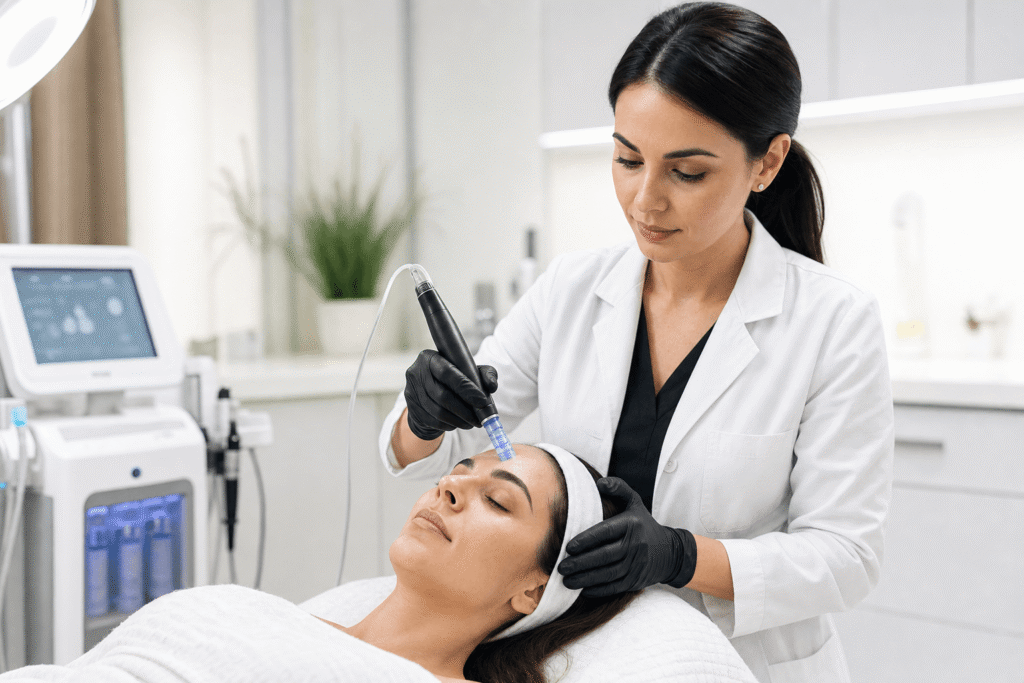
Meso microneedling is a hybrid skin treatment that combines the mechanical action of microneedling with the targeted delivery of mesotherapy serums. Unlike traditional microneedling, which primarily stimulates collagen through controlled injury, or mesotherapy, which delivers serums without needles or at deeper injection depths, meso microneedling uses shallow needle penetration to create microchannels that allow active ingredients to penetrate the skin more effectively. This article explains what makes meso microneedling distinct, how the treatment works, what skin concerns it addresses, and what you can realistically expect from the procedure.
Quick Answer
Meso microneedling combines shallow microneedling (typically 0.25mm to 0.5mm) with mesotherapy serums containing hyaluronic acid, peptides, or growth factors. The microchannels enhance serum absorption while stimulating collagen production, treating fine lines, dullness, and texture concerns with minimal downtime.
What Is Meso Microneedling?
Meso microneedling merges two established aesthetic procedures into a single treatment session. The process uses a medical-grade microneedling device set at shallow depths to create thousands of microchannels in the skin’s surface. Immediately following this, specialized mesotherapy serums are applied to the treated area.
The key distinction lies in the needle depth and treatment objective. While traditional microneedling penetrates deeper (0.5mm to 2.5mm) to trigger significant collagen remodeling through dermal injury, meso microneedling works primarily in the epidermis and superficial dermis. This shallower approach focuses on serum delivery rather than deep tissue remodeling.
Most devices used for this treatment include the eDermastamp, automated pens with adjustable depth settings, or medical-grade rollers. The procedure takes approximately 30 to 45 minutes, depending on the treatment area size.
The Combined Approach: Microneedling Meets Mesotherapy
Traditional mesotherapy involves injecting solutions directly into the mesoderm (middle layer of skin) using fine needles. Standard microneedling creates controlled injury to stimulate the body’s wound healing response, triggering fibroblast activity and collagen production.
Meso microneedling takes the channel-creation aspect of microneedling and the targeted serum delivery of mesotherapy, creating a middle-ground treatment. The shallow needle depth (typically 0.25mm to 0.5mm) minimizes discomfort and downtime while still enhancing product penetration significantly compared to topical application alone.
This combined approach suits clients seeking noticeable skin improvements without the recovery time associated with deeper microneedling sessions. At Samar Skin Care Clinic in North York, this treatment has become particularly popular among professionals who need quick recovery times but want results that go beyond what a standard facial can achieve.
Key Takeaways
- Expect shallower needling than traditional microneedling, typically 0.25mm to 0.5mm depth
- Plan for enhanced serum absorption through temporary microchannels in skin barrier
- Choose this treatment for hydration, glow, and fine lines over deep scarring
- Avoid if pregnant, on blood thinners, or have active skin infections present
- Budget for multiple sessions spaced 2 to 4 weeks apart for optimal results
Understanding Microneedling, Mesotherapy, and Meso-Needling: Key Differences
The terminology confusion surrounding these treatments stems from their overlapping techniques but distinct therapeutic goals. Understanding what separates them helps set realistic expectations and choose the appropriate option for specific skin concerns.
Standard microneedling uses needle depths from 0.5mm to 2.5mm depending on the treatment area and concern. This deeper penetration creates controlled injury in the dermis, triggering the body’s healing cascade. This makes traditional microneedling ideal for acne scarring, deep wrinkles, and significant textural irregularities.
Traditional mesotherapy involves injecting vitamin cocktails and active ingredients directly into the mesodermal layer using fine-gauge needles, delivering high concentrations of active ingredients directly to target tissues but with more discomfort and longer recovery.
Meso microneedling sits between these two approaches. The shallow needling creates pathways without the deeper dermal injury. The primary mechanism is enhanced serum delivery rather than collagen induction, though some superficial collagen stimulation does occur. This results in faster recovery and a different results profile focused on surface-level improvements like hydration, radiance, and fine texture refinement.
When treating clients with darker skin tones (Fitzpatrick types IV to VI), Samar keeps needle depth at the shallower end of the meso range, typically 0.25mm to 0.3mm, to minimize post-inflammatory hyperpigmentation risk while still achieving effective serum penetration.
How Meso Microneedling Works: The Science of Collagen Induction
The biological response to meso microneedling involves several simultaneous mechanisms. First, the mechanical action of needles puncturing the stratum corneum creates temporary microchannels. These channels remain open for several hours post-treatment, allowing molecules too large for passive absorption to penetrate into living skin layers.
While the primary goal is serum delivery, the needling process does trigger a healing response. Even at shallow depths, the controlled micro-injuries signal keratinocytes and fibroblasts to increase activity. This stimulates limited collagen production, though significantly less than deeper microneedling sessions.
The applied serums then work at the cellular level. Hyaluronic acid molecules bind water, increasing dermal hydration and creating a plumping effect. Peptides signal fibroblasts to synthesize more collagen and elastin. Growth factors accelerate cellular turnover and repair processes. Antioxidants neutralize free radicals that contribute to aging.
Ready to get started?
Book a consultation with Samar to discuss your skin concerns and find the right treatment plan for you.
Needle Depth in Meso Microneedling: Why It Matters for Results
Needle depth represents the single most important variable distinguishing meso microneedling from other microneedling procedures. Understanding these depth specifications helps set realistic expectations and ensures the treatment matches your skin concerns.
Meso microneedling typically uses depths between 0.25mm and 0.5mm. This range targets the epidermis and upper papillary dermis, creating microchannels without penetrating into the deeper reticular dermis where significant collagen remodeling occurs. The shallower penetration means less trauma, faster healing, and minimal risk of scarring or prolonged inflammation.
Traditional microneedling operates at 0.5mm to 2.5mm depending on the treatment area and concern. Pain levels correlate strongly with depth. Treatments at 0.25mm to 0.3mm typically require no anesthetic and cause only mild tingling. Depths of 0.5mm may warrant topical numbing cream for comfort. Downtime also scales with depth.
| Needle Depth | Treatment Type | Primary Mechanism | Typical Downtime | Best For |
|---|---|---|---|---|
| 0.25mm to 0.5mm | Meso Microneedling | Serum delivery + mild collagen stimulation | 0 to 2 days | Hydration, glow, fine lines, texture |
| 0.5mm to 1.5mm | Traditional Microneedling | Moderate collagen induction | 2 to 5 days | Moderate wrinkles, mild scars, pore refinement |
| 1.5mm to 2.5mm | Deep Microneedling | Significant collagen remodeling | 5 to 7 days | Deep acne scars, stretch marks, severe texture |
At Samar Skin Care Clinic, Samar adjusts depth based on skin type, concern severity, and client schedule. Someone with an upcoming event in three days gets treated at 0.25mm for glow without visible recovery, while someone addressing mild photo-aging over several months might progress from 0.3mm to 0.5mm across successive sessions.
Skin Concerns Treated by Meso Microneedling
Meso microneedling addresses specific skin concerns more effectively than others. Understanding its strengths and limitations helps determine whether it’s the right treatment choice.
Fine lines and superficial wrinkles respond particularly well to this treatment. The combination of hydration from hyaluronic acid serums and mild collagen stimulation softens these surface-level concerns. However, deeper expression lines or static wrinkles require more aggressive approaches like traditional microneedling or Botox treatments.
Dull, dehydrated skin sees dramatic improvement. The enhanced delivery of moisturizing and brightening agents creates an immediate glow that topical products alone cannot achieve. Clients preparing for events often schedule treatments two to five days beforehand for this radiance boost.
Uneven texture and enlarged pores improve gradually over multiple sessions. The shallow collagen stimulation helps refine skin surface irregularities, though significant textural concerns like ice-pick acne scars require deeper treatment depths.
Mild hyperpigmentation and post-inflammatory marks may lighten with repeated treatments using vitamin C and kojic acid serums. However, deeper pigmentation concerns often respond better to targeted laser treatments for pigmentation or chemical peels.
Acne scars present a mixed picture. Shallow, rolling scars may show modest improvement over a series of treatments, but deep atrophic or boxcar scars require traditional microneedling at 1.5mm to 2.5mm depths for meaningful results.
What to Expect During and After Meso Microneedling Treatment
Understanding the treatment process and recovery timeline helps you prepare appropriately and recognize normal versus concerning post-treatment responses.
The Treatment Procedure
The session begins with thorough cleansing to remove makeup, oil, and surface debris. The practitioner then assesses your skin and selects appropriate serums based on your specific concerns. If treating at 0.5mm depth, topical numbing cream may be applied and left for 15 to 20 minutes.
The microneedling device passes over the treatment area in multiple directions to ensure even coverage. The sensation ranges from mild sandpaper texture at 0.25mm to moderate prickling at 0.5mm. Most clients describe it as tolerable to mildly uncomfortable rather than painful.
Immediately after needling, the selected serums are applied and gently massaged into the skin. A calming mask or post-treatment serum is applied before you leave, along with specific aftercare instructions.
Recovery Timeline and Results
Immediate post-treatment (0 to 4 hours): Your skin looks flushed, similar to mild sunburn. The skin feels tight, warm, and slightly sensitive. This is when microchannels remain open and serum absorption continues.
First 24 hours: Redness persists but typically softens by evening. Some clients experience mild swelling, especially around delicate areas. Avoid makeup, active skincare ingredients, sun exposure, and sweating during this period.
Days 2 to 3: Redness fades significantly. Many clients return to normal appearance by day two, especially after 0.25mm treatments. Light flaking or dryness may occur as the uppermost skin layer regenerates.
Days 4 to 7: Skin typically looks normal or even improved, with a subtle glow emerging. The immediate plumping effect from hyaluronic acid becomes more apparent. Fine lines may appear softer.
Weeks 2 to 4: The glow effect peaks and then gradually fades if no maintenance treatments occur. Some cumulative collagen production continues, providing subtle ongoing improvement. This is the typical interval before scheduling the next session.
Long-term results (3 to 6 months): With a series of three to six treatments spaced three to four weeks apart, clients notice improved skin texture, reduced fine lines, better hydration retention, more even tone, and enhanced overall radiance. Most clients see peak improvements around four to six weeks after their final treatment, with results lasting three to six months before maintenance treatments become beneficial.
Who Should Avoid Meso Microneedling: Contraindications and Safety
While meso microneedling is generally safe for most skin types, several conditions and circumstances contraindicate the treatment or require special precautions.
Active infections represent an absolute contraindication. This includes active acne breakouts with pustules, herpes simplex outbreaks (cold sores), bacterial infections, or fungal conditions. Needling through infected areas spreads bacteria or virus particles across the treatment zone and into deeper skin layers.
Pregnancy and breastfeeding warrant caution. While the mechanical action of shallow needling poses minimal risk, many mesotherapy serums contain ingredients not studied for safety during pregnancy. Most practitioners avoid treating pregnant or nursing clients as a precautionary measure.
Blood thinning medications increase bruising and bleeding risk. Clients taking aspirin, warfarin, clopidogrel, or other anticoagulants should disclose this during consultation. Some practitioners require medical clearance before proceeding, or recommend stopping medications for several days before treatment if medically appropriate.
Keloid scarring history raises concerns about abnormal healing response. Individuals who form keloids from minor injuries may develop similar responses to microneedling, though the shallow depth reduces this risk. Patch testing on a small area is advisable before full-face treatment.
Active autoimmune conditions affecting the skin require careful evaluation. Conditions like lupus or scleroderma can flare in response to skin trauma. Consultation with a dermatologist before proceeding is recommended.
Recent cosmetic procedures create temporary contraindications. Wait at least two weeks after chemical peels, four weeks after laser resurfacing, and six months after isotretinoin (Accutane) before getting meso microneedling. The skin needs adequate time to normalize before introducing additional treatments.
Certain skin conditions require modified approaches. Rosacea clients can often be treated successfully but may need gentler techniques and careful serum selection to avoid triggering flares. Eczema and psoriasis should be in remission before treatment. Active inflammation increases the risk of adverse reactions.
Frequently Asked Questions
What is the difference between microneedling and meso microneedling?
Traditional microneedling uses depths of 0.5mm to 2.5mm to trigger significant collagen remodeling in the dermis. Meso microneedling uses shallower depths (0.25mm to 0.5mm) primarily to enhance absorption of mesotherapy serums. Meso microneedling targets hydration, glow, and surface texture, while traditional microneedling addresses deeper concerns like acne scars and significant wrinkles.
How many sessions of meso microneedling do I need to see results?
Most clients see immediate glow and hydration after one session, but cumulative improvements require multiple treatments. A typical protocol involves three to six sessions spaced three to four weeks apart. Fine lines and texture concerns usually show noticeable improvement after three to four sessions, with optimal results appearing four to six weeks after the final treatment.
Is meso microneedling painful?
Treatments at 0.25mm to 0.3mm cause only mild tingling that most clients tolerate without numbing cream. Depths of 0.5mm may cause moderate prickling, though this remains significantly less painful than traditional microneedling. Many practitioners apply topical anesthetic for 0.5mm treatments for added comfort.
What should I expect after a meso microneedling treatment?
Expect mild to moderate redness immediately after treatment, lasting several hours to two days. Most clients return to regular activities the next day. Avoid makeup for 24 hours and skip active skincare ingredients for three to five days. Light flaking may occur on days two to four. The glow effect typically appears around day four and peaks within two weeks.
Can meso microneedling treat acne scars and hyperpigmentation?
Meso microneedling can improve shallow, rolling acne scars and mild post-inflammatory hyperpigmentation, but it is not the most effective treatment for these concerns. Deep atrophic scars or significant pigmentation typically require traditional microneedling at deeper depths, laser resurfacing, or chemical peels for meaningful improvement.
Finding the Right Provider for Meso Microneedling in North York
Choosing a qualified practitioner significantly impacts both safety and results. Look for practitioners with formal aesthetics training and specific microneedling certification. Ask about their training institution, how many meso microneedling treatments they’ve performed, and whether they customize serum selection based on individual assessment.
Clinic hygiene and equipment quality matter considerably. Reputable clinics use single-use, sterile needle cartridges that are opened in front of you. Devices should be medical-grade with adjustable depth settings.
At Samar Skin Care Clinic on Yonge Street in North York, Samar brings over 10 professional certifications to her practice, including specialized training in advanced microneedling techniques. As a Licensed Medical Aesthetician who graduated from CNTAA in 2020, she has performed hundreds of meso microneedling treatments across diverse skin types and concerns common in the Toronto area.
Her approach involves detailed skin analysis before each session, adjusting needle depth and serum selection based on current skin condition, treatment history, and upcoming schedule. This customization ensures clients get results that fit their specific needs rather than generic protocols.
Ready to experience the benefits of meso microneedling? Whether you are looking to enhance hydration, achieve that coveted glow, or address early signs of aging, a personalized treatment plan can help you reach your skin goals safely and effectively.
Schedule your consultation at Samar Skin Care Clinic in North York to discuss how meso microneedling can fit into your skincare routine. Located at 5409 Yonge St, Unit 210, or call (647) 764-8424 to learn more about advanced skin rejuvenation options tailored to your unique skin.
